- Can You Cold Plunge in Your Bathtub? The Practical Reality
- Maximizing Submersion in a Standard Tub
- Is 60 Degrees Cold Enough for a Cold Plunge?
- The 50 to 60 Degree Debate: Finding Your Baseline
- Setting Up Your Home Plunge: Do You Really Need Ice?
- Using Your Bathtub as a Cold Plunge Without the Mess
- Bathtub vs․ Shower: Which Method Wins?
- Can You Take a Cold Shower Instead of a Cold Plunge?
- Timing Your Exposure: Can You Cold Plunge at Night?
- The Best Time for a Tub Session
- Alternative Environments: Pools‚ Oceans‚ and Winter Safety
- Can You Cold Plunge in Your Pool During Winter?
- Common Mistakes to Avoid in Your Home Bath
- Frequently Asked Questions
Can You Cold Plunge in Your Bathtub? The Practical Reality
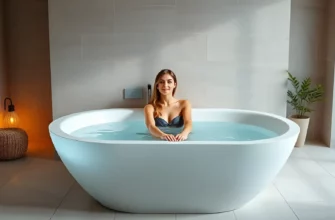
Transforming your bathroom into a recovery hub is entirely possible without spending thousands on a dedicated acrylic tank․ While a standard home tub lacks the depth of a professional chest freezer or a specialized plunge pool‚ it serves as an excellent entry point for cold water immersion․ Most residential bathtubs hold between 40 and 60 gallons of water‚ providing just enough volume to facilitate the physiological benefits of cold exposure․
The primary challenge with a standard bath is the horizontal layout‚ which differs from the vertical “seated” position of commercial plunges․ However‚ with a few adjustments to your posture‚ you can achieve the necessary vagus nerve stimulation and trigger the metabolic responses associated with cold therapy․ You do not need a five-figure setup to begin building resilience and improving your recovery times․
Maximizing Submersion in a Standard Tub
To get the most out of a shallow tub‚ you must be strategic about your body’s orientation․ The goal is full body immersion‚ specifically ensuring the water reaches the level of your clavicle to stimulate the high concentration of cold receptors in the chest and neck area․ If your tub is particularly shallow‚ you may need to alternate between sitting with your legs bent and reclining so your torso is fully covered․
Managing water displacement is a technical necessity to prevent your bathroom floor from flooding․ Always fill the tub only halfway before entering‚ then use the volume of your own body to raise the water level to the brim․ Many practitioners use a “silicone overflow cover” to block the safety drain‚ allowing for an extra two to three inches of depth which can be the difference between a half-submerged belly and a fully covered chest․ Focus on how to reduce inflammation by keeping your limbs relaxed rather than tensing up‚ which allows the cold to penetrate the muscle tissue more effectively․
Is 60 Degrees Cold Enough for a Cold Plunge?
The efficacy of a cold plunge is often misunderstood as a “race to the bottom” regarding temperature․ Science suggests that the ideal water temperature is highly dependent on your personal level of cold water adaptation and your specific health goals․ You do not need to sit in 33-degree slush to see a significant spike in norepinephrine or a reduction in systemic inflammation․
| Temperature Range | Experience Level | Primary Physiological Benefit |
|---|---|---|
| 58°F – 62°F | Beginner | Initial thermal shock response and mental resilience building․ |
| 50°F – 55°F | Intermediate | Optimal for metabolic health and brown fat activation․ |
| 40°F – 49°F | Advanced | Maximum dopamine release and intense vascular constriction․ |
The 50 to 60 Degree Debate: Finding Your Baseline
For those just starting‚ 60 degrees Fahrenheit is a formidable challenge that provides significant hydrotherapy at home․ At this temperature‚ your body still undergoes a mild “gasp reflex‚” forcing you to practice breath control and mental centering․ It is an ideal baseline because it allows for longer durations (up to 10 minutes) without the risk of immediate hypothermia‚ making it perfect for those prioritizing recovery benefits over pure intensity․
As you progress‚ moving into the 50-55 degree range is often considered the “sweet spot” for metabolic intervention․ Research indicates that immersion in water below 59 degrees triggers a significant increase in metabolic rate as the body works to maintain core temperature․ If your goal is weight management or mood regulation‚ aim for this lower bracket‚ but remember that consistency beats intensity every single time․
Setting Up Your Home Plunge: Do You Really Need Ice?
The necessity of ice depends entirely on your local climate and the season․ During winter months in northern latitudes‚ tap water can often exit the faucet at 45 to 55 degrees Fahrenheit‚ which is perfectly cold for a professional-grade session․ In warmer climates or during the summer‚ however‚ your tap water may peak at 70 degrees‚ necessitating an external cooling method to reach therapeutic levels․
- Measure your baseline: Use a digital water thermometer to check your tap’s coldest setting; if it’s above 60°F‚ you will need supplemental cooling․
- Calculate the ice load: To drop a 40-gallon tub by 10 degrees‚ you typically need at least 40 to 60 pounds of ice․
- Pre-chill the water: Fill the tub with cold water first‚ then add the ice and wait 10 minutes for the temperature to stabilize before entering․
- Monitor the drop: Don’t guess the temperature; use a thermometer to ensure you aren’t over-cooling the water beyond your current tolerance level․
- Post-plunge drainage: Ensure your drain can handle the influx of melting ice and water to avoid clogs or slow drainage․
Using Your Bathtub as a Cold Plunge Without the Mess
Buying bags of ice daily is expensive and creates significant plastic waste․ A more sustainable method for chilling your bath water involves using large‚ reusable frozen containers․ Fill several half-gallon or one-gallon plastic jugs with water (leaving room for expansion) and freeze them solid; these act as massive “ice cubes” that can be wiped down and tossed back into the freezer after your session․
This method is superior for maintaining cold temperatures because the ice is contained‚ meaning it won’t dilute your bath or require you to scoop out half-melted shards later․ For a standard tub‚ keeping 6 to 8 one-gallon frozen jugs on hand can reliably drop the temperature by several degrees․ This “closed-loop” system makes the daily habit much more sustainable for the average homeowner․
Bathtub vs․ Shower: Which Method Wins?
Many people assume a cold shower is a direct substitute for a cold plunge‚ but the physics of the two methods are fundamentally different․ A shower provides “cold stress” through moving water hitting the skin‚ whereas a bathtub provides water immersion therapy․ The primary differentiator is the presence of hydrostatic pressure‚ which occurs only when the body is submerged․
| Feature | Cold Shower | Bathtub Cold Plunge |
|---|---|---|
| Pressure | Atmospheric only․ | Hydrostatic pressure aids lymphatic drainage․ |
| Skin Contact | Intermittent/Partial․ | 100% full body immersion below the neck․ |
| Nervous System | Mild stimulation․ | Deep vagus nerve stimulation and dive reflex․ |
| Convenience | High (Zero setup)․ | Moderate (Requires filling/chilling)․ |
Can You Take a Cold Shower Instead of a Cold Plunge?
While cold shower benefits include improved circulation and a quick dopamine hit‚ they lack the “thermal mass” of a tub․ When you are submerged in a tub‚ a “thermal layer” forms around your skin; if you stay still‚ your body slightly warms the water immediately touching you․ In a shower‚ the water is constantly moving‚ which prevents this layer from forming‚ but the lack of total coverage means your core temperature doesn’t drop as efficiently․
Immersion triggers the mammalian dive reflex‚ which slows the heart rate and redirects blood flow to the brain and heart․ This response is much more profound in a bathtub than in a shower․ If you are short on time‚ a shower is a great “maintenance” tool‚ but for deep recovery and metabolic health‚ the tub is the clear winner․
Timing Your Exposure: Can You Cold Plunge at Night?
The timing of your cold exposure can significantly alter your circadian rhythm․ Most experts recommend morning plunges because the cold triggers a spike in cortisol and dopamine‚ providing a sharp‚ caffeine-free boost to alertness․ However‚ many athletes prefer evening cold immersion to dampen inflammation after a late-day training session․
The biological catch is the “rebound effect․” When you exit cold water‚ your body works overtime to reheat your core‚ leading to a rise in body temperature․ Since a naturally dropping core temperature is a signal for the brain to produce melatonin and prepare for sleep‚ a late-night plunge can sometimes cause insomnia if done too close to bedtime․ Always leave at least two hours between a cold plunge and sleep to allow your temperature to stabilize․
The Best Time for a Tub Session
If you use the cold plunge for body temperature regulation and sleep improvement‚ the “Goldilocks zone” is usually late afternoon․ This allows the initial spike in alertness to fade‚ followed by a natural cooling phase that aligns with your body’s sleep-wake cycle․ For those using the tub for metabolic health‚ a morning session on an empty stomach may maximize the activation of brown adipose tissue․
Morning sessions also take advantage of the thermal shock response to clear “brain fog․” The massive release of endorphins can last for several hours‚ making it a powerful tool for mental clarity before a workday․ If you must plunge at night‚ keep the duration short—no more than 2 or 3 minutes—to minimize the metabolic heat production that follows․
Alternative Environments: Pools‚ Oceans‚ and Winter Safety
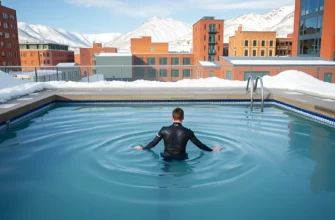
While the bathtub is a controlled environment‚ outdoor cold exposure offers a different set of challenges and rewards․ Using a backyard swimming pool in the winter is a common tactic‚ but it requires careful attention to winter water safety․ Unlike a bathtub‚ a pool contains chemicals like chlorine or salt which can behave differently in near-freezing temperatures‚ and the sheer volume of water means your core temperature will drop much faster due to the increased surface area of the cold․
- Never plunge alone in open water like oceans or lakes; the risk of “cold shock” causing an involuntary gasp can lead to drowning․
- Check the entry and exit points in a pool; metal ladders can become dangerously slippery or even freeze to the touch in extreme cold․
- Limit duration when moving from a bathtub to a larger body of water; the “sink” of a pool is much greater than 40 gallons․
- Watch for ice sheets in outdoor setups; thin ice can be sharp and cause lacerations during entry or exit․
Can You Cold Plunge in Your Pool During Winter?
You can certainly use a pool for your immersion therapy‚ but you must be aware of the pump and filtration system․ Most pool equipment is not designed to run when the water is near freezing; you may need to turn off the system and “winterize” the pipes while still using the main basin for plunging․ Additionally‚ the lack of maintaining cold temperatures is not an issue in winter‚ but the water can often become too cold (32-35°F)‚ which requires much shorter exposure times than your 60-degree bathtub․
Common Mistakes to Avoid in Your Home Bath
One of the most frequent errors is staying in the water too long․ There is a “diminishing returns” curve with cold exposure; for most people‚ the maximum benefit is achieved within 3 to 5 minutes․ Pushing past 10 minutes in a home tub doesn’t necessarily double the benefits but does significantly increase the risk of afterdrop‚ where cold blood from the extremities rushes back to the core‚ causing a dangerous dip in internal temperature․
Critical Safety Warning: Never use a cold plunge if you have a history of cardiovascular issues without consulting a doctor․ The thermal shock response causes an immediate‚ sharp rise in heart rate and blood pressure that can be taxing on the heart․
Another mistake is holding your breath․ When you first hit the cold water‚ your instinct is to hyperventilate or hold your breath․ This triggers the sympathetic nervous system (fight or flight)․ To get the most out of the session‚ you must force yourself to exhale slowly․ This tells your brain that you are safe‚ allowing the parasympathetic nervous system to take over and facilitating a deeper state of recovery․
In my professional experience‚ the biggest hurdle for beginners isn’t the temperature—it’s the friction of the setup․ I always advise my clients to prioritize the physiological minimum effective dose over “toughness․” If you find that hauling 50 pounds of ice to your bathtub every morning is so annoying that you only do it once a week‚ you are losing․ I have found that consistency in a 60-degree bathtub performed four times a week provides far superior long-term health markers than a single 40-degree “ego plunge” once a month․ Listen to your body’s shivering response; a mild shiver is a good sign of thermogenesis‚ but violent shivering that prevents you from speaking is a clear signal to exit and warm up immediately․
Frequently Asked Questions
Yes‚ 55 degrees is well within the effective range for metabolic and mental health benefits․ Most clinical studies on cold immersion use temperatures between 50 and 59 degrees to achieve significant results in 3-5 minutes․
Do I need to be naked for a cold plunge in my bathtub?
While being naked allows for maximum skin-to-water contact‚ wearing swimwear is perfectly fine․ The difference in physiological benefit is negligible‚ so prioritize your personal comfort and environment․
How long should I stay in a cold bathtub?
A range of 2 to 5 minutes is ideal for most practitioners․ Focus on the quality of your breathing and mental calm rather than trying to set a duration record‚ as safety should always be your priority․
Can I use my bathtub for a cold plunge every day?
Daily exposure is excellent for building mental resilience and consistent metabolic activation․ However‚ some people prefer 3-4 sessions per week to allow the nervous system to fully recover between exposures․
What is the best way to warm up after a cold plunge?
Avoid jumping into a hot shower immediately․ Instead‚ dry off thoroughly‚ put on warm layers‚ and move your body naturally (like doing some air squats) to let your internal furnace warm you up slowly․