- Why a Cold Plunge Pool for Home is the New Standard in Wellness
- The Physical Edge: How to Reduce Inflammation and Boost Recovery
- Choosing Your Material: Stainless Steel, Cedar, or Stock Tank?
- The Longevity of a Stainless Steel Cold Plunge Pool
- Traditional Aesthetics with a Wooden Cold Plunge Pool
- A Guide to Building a Cold Plunge Pool Without a Pre-Made Tub
- Essential Steps for a Homemade Cold Plunge Pool
- Designing Your Backyard with Hot and Cold Plunge Zones
- Optimizing Your Patio and Outdoor Space
- Indoor vs. Outdoor: Where Should You Install a Cold Plunge Pool?
- Sizing it Right: From Personal Tubs to 2-Person Dimensions
- Professional Services: Finding a Dallas or Plano Cold Plunge Installer
- The Benefits of a Custom Cold Plunge Pool Installation
- Maintenance and Longevity: Keeping Your Water Crystal Clear
- Managing Temperature in Extreme Climates
- Expert Perspective: Residential Cold Immersion Systems
- Frequently Asked Questions
Why a Cold Plunge Pool for Home is the New Standard in Wellness
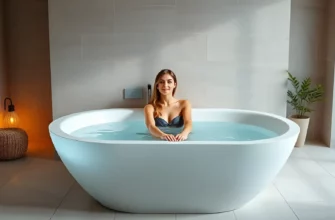
The shift from professional training rooms to residential backyards has transformed the way we approach recovery. A cold plunge pool for home is no longer a luxury reserved for elite athletes; it is a foundational tool for those prioritizing longevity and mental resilience.
By integrating a personal cold plunge pool into your daily routine, you eliminate the friction of commuting to a commercial spa or gym. This immediate access allows for consistent hydrotherapy, which is the most significant factor in achieving long-term physiological adaptations.
The Physical Edge: How to Reduce Inflammation and Boost Recovery
When you submerge your body in water below 55 degrees Fahrenheit, you trigger a systemic vasoconstriction that flushes metabolic waste from muscle tissue. This process is the gold standard for anyone looking for how to reduce inflammation after high-intensity training or long workdays.
Having a home immersion tub means you can hit the water within the critical 20-minute window following exercise, which research suggests is the most effective time to suppress delayed onset muscle soreness. This convenience ensures that your recovery protocol is never sidelined by a busy schedule or a closed facility.
Choosing Your Material: Stainless Steel, Cedar, or Stock Tank?
Selecting the right material for your recovery pool is a balance between aesthetic preference, climate demands, and your long-term budget. While a cedar cold plunge pool offers a rustic, organic feel that blends into landscaping, a stainless steel cold plunge pool provides an industrial-grade lifespan that is virtually maintenance-free.
A stock tank cold plunge pool remains the entry-level favorite for those testing the waters of cold therapy. These galvanized steel tanks are affordable and easy to source, though they require more effort to insulate and seal against the elements compared to purpose-built units.
| Material Type | Durability | Insulation Properties | Maintenance Level |
|---|---|---|---|
| Stainless Steel (316 Grade) | High (Lifetime) | Low (Requires external insulation) | Very Low |
| Western Red Cedar | Medium-High | High (Natural thermal barrier) | Moderate (Needs periodic oiling) |
| Galvanized Stock Tank | Medium | Minimal | Moderate (Prone to rust if unlined) |
The Longevity of a Stainless Steel Cold Plunge Pool
Stainless steel is the preferred choice for modern, high-end installations due to its non-porous surface which resists bacteria and algae growth. If you are considering a circular stainless steel cold plunge inground, you are investing in a permanent fixture that adds significant value to your property.
Unlike plastic or vinyl alternatives, an above ground cold plunge pool made of steel will not degrade under UV exposure. To maximize efficiency, always opt for 316-grade stainless steel if you plan to use a saltwater chlorination system, as standard 304-grade may eventually show signs of pitting.
Traditional Aesthetics with a Wooden Cold Plunge Pool
The natural scent of cedar and its inherent resistance to rot make it the premier choice for a wooden cold plunge pool commercial 5 people might use, or for a private 1-person sanctuary. Cedar contains natural oils that act as a preservative, allowing the wood to thrive in wet environments without the need for harsh chemical treatments.
Beyond the looks, wood is an incredible natural insulator. A cedar tub will hold its temperature 30% more efficiently than uninsulated metal, which means your chiller system doesn’t have to work as hard during the peak of summer. This results in lower electricity bills and a quieter backyard environment.
A Guide to Building a Cold Plunge Pool Without a Pre-Made Tub
For the dedicated DIYer, constructing a cold plunge without tub is a rewarding project that allows for complete customization of the filtration and cooling systems. A homemade cold plunge pool can be built using a variety of basins, from structural foam tanks to custom-poured concrete vessels.
The secret to a successful build lies in the plumbing and the power of the chiller. You are essentially building a miniature, high-performance pool system that must cycle and clean the water several times per hour to maintain clarity and safety.
- Site Selection and Leveling: Ensure your surface can support at least 100 pounds per square foot to account for the weight of the water and the user.
- Basin Preparation: If using a stock tank, apply a spray-foam insulation layer to the exterior to prevent the chiller from overworking.
- Plumbing the Chiller: Drill your inlet and outlet holes using a hole saw, then install 1-inch or 1.5-inch bulkhead fittings for maximum flow.
- Filtration Setup: Integrate a 20-micron sediment filter and an ozone generator to keep the water sanitary without heavy chemical use.
- Sealing and Finishing: Use marine-grade silicone for all fittings and consider a pond liner if your basin is not 100% watertight.
Essential Steps for a Homemade Cold Plunge Pool
When researching how to build a cold water plunge pool, the most common pitfall is undersizing the cooling unit. If you are learning how to make a cold plunge pool in Arizona or other desert climates, a 1/2 HP chiller is the absolute minimum required to combat 100-degree ambient temperatures.
Proper water filtration is equally vital. Because you aren’t draining the tub after every use, you need a pump capable of moving the entire volume of water every 15 minutes. Integrating a UV-C light sterilizer can neutralize 99.9% of pathogens, significantly reducing the amount of chlorine or bromine needed to keep the water crystal clear.
Designing Your Backyard with Hot and Cold Plunge Zones
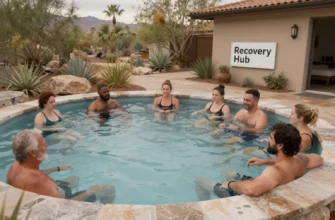
Creating a dedicated wellness retreat involves more than just plopping a tub on the grass. Designing a backyard with hot and cold plunge zones—often called contrast therapy stations—requires careful spatial planning to ensure a seamless transition between the two extremes.
A custom cold plunge pool should be positioned within a few steps of your sauna or hot tub. This proximity allows you to move quickly between heat and cold, which maximizes the cardiovascular “pumping” effect that aids in systemic detoxification and blood flow.
Optimizing Your Patio and Outdoor Space
For those with limited square footage, a small cold plunge pool can be tucked into a corner or integrated into a raised deck. If you are browsing a backyard cold plunge tub on Reddit or design forums, you will notice that the most successful setups use multi-level decking to hide the mechanical components like pumps and chillers.
When planning a cold plunge for patio reddit enthusiasts often recommend, ensure you have a dedicated 20-amp GFCI outlet nearby. Most high-powered chillers require a stable power source and should never be run on a standard extension cord, which can lead to voltage drops and motor failure.
Indoor vs. Outdoor: Where Should You Install a Cold Plunge Pool?
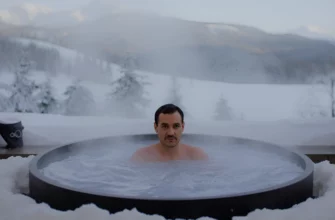
Deciding between an indoor or outdoor setup depends on your local climate and available infrastructure. While an above ground cold plunge pool is easier to install outdoors, an indoor setup provides a controlled environment that is shielded from debris and extreme temperature swings.
However, an indoor installation requires specific considerations for humidity and weight. A 100-gallon tub weighs approximately 830 pounds plus the weight of the occupant, which can exceed the load-bearing capacity of standard residential flooring on second stories.
- DO: Install a floor drain and use waterproof flooring like tile or sealed concrete for indoor setups.
- DO: Ensure the room has a high-CFM exhaust fan to prevent condensation and mold growth.
- DON’T: Place a cold plunge directly on carpet or hardwood, as splashing is inevitable.
- DON’T: Forget to measure doorways; many pre-made tubs are 30-35 inches wide and may not fit through standard frames.
Sizing it Right: From Personal Tubs to 2-Person Dimensions
When looking at cold plunge pool dimension 2 people models, you generally need a vessel that is at least 65 to 72 inches long. This allows two adults to sit facing each other without their knees locking, though a 2-person setup requires a significantly larger chiller (at least 1 HP) to handle the increased thermal load.
If you are investigating how to build a cold plunge pool indoors, consider the footprint of the equipment. A chiller needs at least 12 to 18 inches of clearance on all sides for proper airflow. If the chiller cannot “breathe,” it will vent heat back into the room, making the space uncomfortably warm and reducing the unit’s lifespan.
Professional Services: Finding a Dallas or Plano Cold Plunge Installer
For many homeowners, the complexity of plumbing, electrical, and landscaping makes a DIY build unfeasible. Hiring a Dallas cold plunge installer or a Plano TX custom cold plunge installer ensures that the project meets local building codes and integrates perfectly with your existing home automation systems.
Professional installers can provide inground solutions that look like a natural extension of your swimming pool. They also handle the critical task of bonding and grounding the electrical components, which is a vital safety step when mixing water and high-voltage machinery.
The Benefits of a Custom Cold Plunge Pool Installation
A professional install a cold plunge pool service offers a level of finish that DIY builds rarely achieve. Custom builders can use materials like Turkish marble or hand-poured terrazzo to match your patio’s aesthetic. Furthermore, professional setups often include integrated smartphone controls, allowing you to set the temperature and check water chemistry from your phone.
In the North Texas area, a Plano TX custom cold plunge installer will understand the specific challenges of the local soil and climate. They can design a foundation that resists the shifting clay soil common in the region, preventing the tub or its plumbing from cracking over time.
Maintenance and Longevity: Keeping Your Water Crystal Clear
Maintaining a residential cold plunge pool is different than maintaining a standard swimming pool. Because the water is kept at such low temperatures, bacterial growth is slower, but the small volume of water means that body oils and sweat can quickly saturate the filtration system.
Whether you have a tubular cold plunge pool or a permanent concrete build, a strict maintenance schedule is required. Neglecting the filter or the chemistry can lead to “biofilm” buildup inside the chiller’s heat exchanger, which is incredibly difficult to clean and can permanently reduce cooling efficiency.
Warning: Never use standard pool chlorine tablets in a small cold plunge. The high concentration in a low-volume tank will damage the stainless steel components and can cause skin irritation. Use a dedicated mineral-based sanitizer or low-dose liquid chlorine instead.
Managing Temperature in Extreme Climates
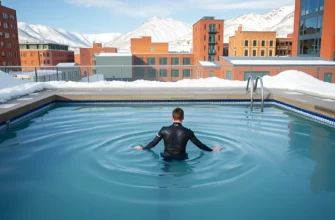
If you are figuring out how to make a cold plunge pool in Arizona, your biggest enemy is ambient heat gain; In regions where summer temperatures exceed 110 degrees, uninsulated pipes can lose 5 degrees of cooling before the water even reaches the tub.
Use 3/4-inch thick Armaflex insulation on all external plumbing lines and keep the chiller in a shaded, well-ventilated enclosure. For a residential cold plunge pool in high-heat zones, adding a heavy-duty insulated cover is the single most effective way to reduce energy consumption. A well-fitted lid can keep the water 15 degrees cooler than an open tank, even without the chiller running.
Expert Perspective: Residential Cold Immersion Systems
In my professional experience as a luxury pool contractor, the most common mistake I see is homeowners over-investing in the “look” of the tub while under-investing in the mechanical heart of the system. I always advise my clients to follow the “buy once, cry once” philosophy. While a stock tank is a great entry point, if you want a system that actually holds 42°F during a 105°F Dallas afternoon, you must prioritize a high-BTU chiller and 2-inch thick closed-cell spray foam insulation. A cheap chiller will run 24/7, spike your electric bill, and likely burn out within two seasons. Invest in a commercial-grade cooling unit and a robust filtration system from day one; the peace of mind and the therapeutic consistency are well worth the initial premium.
Frequently Asked Questions
Standard dimensions for a 2-person setup are typically 60 to 72 inches in length and 30 to 40 inches in width. This size allows two adults to submerge comfortably while maintaining a manageable water volume for the chiller system.
Can I install a cold plunge pool indoors without major renovations?
Yes, but you must ensure the floor can support approximately 1,000 to 1,500 pounds of concentrated weight. You also need a dedicated 20-amp circuit and a high-quality dehumidifier to manage the moisture released during use.
Is a stainless steel cold plunge better than cedar?
Stainless steel is superior for hygiene and modern durability, as it is non-porous and easy to sanitize. Cedar is better for natural insulation and traditional aesthetics, often requiring less energy to keep cold due to the wood’s thermal properties.
How do I keep my cold plunge from freezing or overheating in Arizona?
To prevent overheating, use a chiller rated for at least 1/2 HP or 1 HP and place the unit in a shaded area. To prevent freezing during rare cold snaps, most modern chillers have a built-in “auto-defrost” or “heat mode” to maintain a consistent minimum temperature.
How much does it cost to have a custom cold plunge pool installed in Dallas?
A professional installation in the Dallas area typically ranges from $8,000 to $25,000. This price includes the high-end vessel, a commercial-grade chiller, electrical work, and custom landscaping or decking integration.
What is the best way to build a cold plunge pool on a budget?
The most cost-effective DIY method is using a galvanized stock tank paired with a 1/4 HP aquarium chiller. By insulating the tank yourself and using basic pond pumps, you can create a functional setup for under $1,500.