- What Are the Core Cold Plunge Benefits for Your Body?
- How to Reduce Inflammation and Speed Up Recovery
- The Science Behind Cold Water Therapy Benefits
- What PubMed and Clinical Studies Say About Cold Immersion
- Sharpening the Mind: Cold Plunge Mental Benefits
- Improving Sleep Quality and Stress Resilience
- Practical Guide: Cold Plunge Temperature and Timing
- How Long and How Cold Should You Go?
- Metabolic and Organ Health: Kidneys, Liver, and Diabetes
- Can Cold Plunging Help Manage Blood Sugar?
- Safety First: Cold Plunge Health Benefits vs. Risks
- Staying Safe After a Cold Plunge
- Expert Perspective: Integrating Cold Therapy Safely
- Frequently Asked Questions
What Are the Core Cold Plunge Benefits for Your Body?
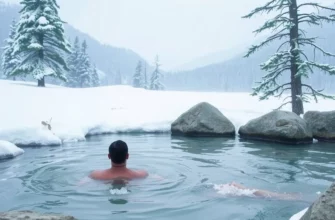
Stepping into a tub of ice-cold water triggers a biological cascade that most people never experience in modern, climate-controlled life. While the initial shock is intense, the systemic cold plunge benefits stem from your body’s desperate attempt to maintain homeostasis against an extreme thermal challenge.
The primary mechanism at play is systemic vasoconstriction, where your blood vessels tighten to push blood toward your vital organs. This process doesn’t just keep you alive; it acts as a powerful circulatory flush, moving metabolic waste out of your extremities and flooding your core with oxygenated blood;
How to Reduce Inflammation and Speed Up Recovery
Athletes have long used ice baths, but recent science clarifies why cold plunge benefits for athletes are so profound. When you subject your muscles to high-intensity training, you create microscopic tears and localized inflammation. This is often felt as delayed onset muscle soreness (DOMS), which can peak 48 hours after a workout.
By immersing yourself in cold water, you effectively constrict the blood flow to these inflamed tissues, which limits the accumulation of edema (swelling). Once you exit the water and your body begins to warm, a process called vasodilation occurs. This “flushing” effect brings fresh, nutrient-rich blood back to the muscle fibers, accelerating the repair process far more efficiently than passive rest alone.
Furthermore, cold therapy suppresses the activity of certain pro-inflammatory cytokines. For those looking for how to reduce inflammation without over-relying on NSAIDs like ibuprofen, the cold provides a natural, mechanical alternative. This is why you see professional NFL players and MMA fighters prioritizing muscle recovery in a chest freezer or dedicated plunge tub immediately following competition; it shortens the window of downtime between high-stakes performances.
The Science Behind Cold Water Therapy Benefits
The transition of cold therapy from “locker room tradition” to “clinical recommendation” is driven by a growing body of peer-reviewed data. Researchers are no longer just looking at how athletes feel; they are measuring changes in blood chemistry, hormone levels, and cellular signaling pathways.
Myth: Cold plunging is only for burning fat and losing weight instantly.
Fact: While cold exposure activates brown adipose tissue, its primary metabolic benefit is improving insulin sensitivity and managing glucose levels, not just “melting” fat away.
Myth: You must stay in for 10 minutes to see results.
Fact: Significant physiological changes, including dopamine spikes, occur within the first 2 to 3 minutes of immersion.
What PubMed and Clinical Studies Say About Cold Immersion
When looking for cold plunge benefits research, many experts point to the role of cold shock proteins, specifically one called RBM3. Studies published on PubMed suggest that these proteins, synthesized in the brain and liver during cold stress, may have neuroprotective qualities. In animal models, RBM3 has been shown to regenerate synapses and prevent the loss of neurons, which has sparked massive interest in cold therapy as a tool against neurodegenerative diseases.
Additionally, scientific evidence points toward a significant immune system response. Frequent cold immersion has been linked to an increase in the concentration of white blood cells, including cytotoxic T-lymphocytes and NK (natural killer) cells. This doesn’t mean you’ll never get a cold, but it suggests that your “internal army” is better primed to respond to pathogens. The hormetic stress—a beneficial type of stress—forces your cellular repair mechanisms to work harder, effectively “upgrading” your biological resilience.
Sharpening the Mind: Cold Plunge Mental Benefits
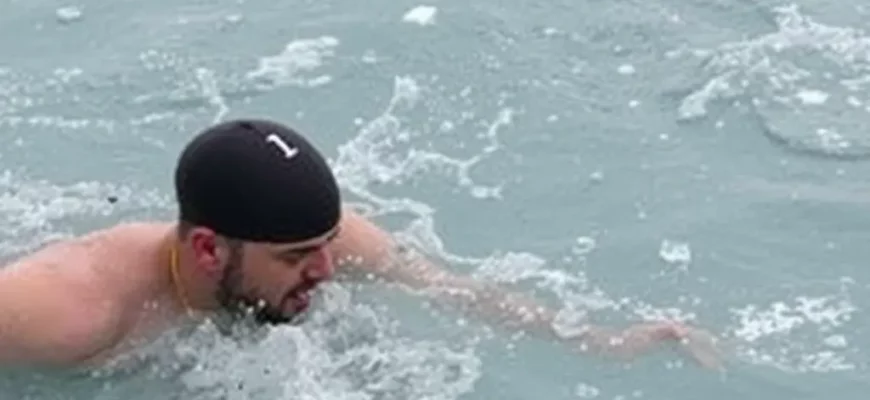
The most immediate and addictive of all cold plunge benefits is the mental shift. The second your skin hits the water, your sympathetic nervous system screams. However, the magic happens in how you manage that scream. Overcoming the “gasp reflex” is your first step in building a higher threshold for psychological stress.
The neurochemical response is staggering. Cold immersion can trigger a 250% increase in dopamine levels and a 300% increase in norepinephrine. Unlike the spike-and-crash cycle of caffeine or sugar, this dopamine release is sustained, often lasting for several hours. This results in a prolonged state of calm focus and an elevated mood that many practitioners describe as a “post-plunge glow.”
Improving Sleep Quality and Stress Resilience
While it seems counterintuitive to use a freezing shock to help you sleep, cold plunge sleep benefits are rooted in your body’s thermal regulation. To initiate deep sleep, your core body temperature must drop by about two degrees. By plunging in the afternoon or early evening, you trigger a rapid cooling response that signals to your brain it is time for rest.
Furthermore, cold water is a direct line to your vagus nerve. This nerve is the “on-switch” for your parasympathetic nervous system, which governs your ability to relax and digest. By consistently exposing yourself to cold, you improve your “vagal tone.” This means that when you face a stressful situation at work or in your personal life, your body is trained to return to a calm state much faster. You aren’t just getting better at being cold; you are getting better at maintaining mental clarity under pressure.
Practical Guide: Cold Plunge Temperature and Timing
One of the most common mistakes beginners make is thinking they need to jump into 33°F (0.5°C) water immediately. If the water is too cold, the stress becomes “distress” rather than “hormesis,” leading to panic rather than adaptation. The best cold plunge time and temperature depend entirely on your current level of cold tolerance.
| Experience Level | Target Temperature | Duration | Primary Focus |
|---|---|---|---|
| Absolute Beginner | 60°F ౼ 65°F | 30 ౼ 60 Seconds | Controlling the breath and gasp reflex. |
| Intermediate | 50°F ౼ 55°F | 2 ౼ 3 Minutes | Building metabolic resilience and BAT activation. |
| Advanced | 38°F ౼ 45°F | 3 ー 5 Minutes | Maximizing norepinephrine and dopamine release. |
How Long and How Cold Should You Go?
The “minimum effective dose” for cold plunge benefits temperature is generally considered to be around 11 minutes per week, divided into 2 or 3 sessions. You do not need to sit in the tub for 20 minutes; in fact, doing so increases the risk of hypothermia without significantly adding to the metabolic benefits. For most people, three minutes is the sweet spot for achieving the desired hormonal and circulatory response.
For those starting with cold plunge for beginners, I recommend “the bridge method.” Start by finishing your normal warm shower with 30 seconds of pure cold. Once you can handle a cold shower without hyperventilating, you are ready for full immersion. Remember, moving water feels significantly colder than still water because it breaks the “thermal layer” of warmth your body tries to create around your skin.
Metabolic and Organ Health: Kidneys, Liver, and Diabetes
The impact of cold therapy on internal organs is an area of intense study. While a cold plunge is not a medical treatment for chronic conditions, its ability to influence metabolic rate and systemic blood flow suggests it can be a powerful supportive tool for organ health.
When you are cold, your body activates brown adipose tissue (BAT). Unlike white fat, which stores energy, brown fat burns energy to produce heat. This process, known as thermogenesis, requires glucose. Consequently, regular cold exposure can help scavenge excess sugar from the bloodstream, which is a major factor in metabolic health.
Can Cold Plunging Help Manage Blood Sugar?
There is promising evidence regarding cold plunge benefits for diabetes management, specifically Type 2. By increasing insulin sensitivity, the cold helps your cells respond more effectively to the insulin your body produces. This can lead to more stable blood sugar levels over time. However, if you have a metabolic disorder, you must consult your endocrinologist before starting, as the cold can cause rapid fluctuations in glucose that need to be monitored.
Regarding liver health and kidney function, the benefits are largely secondary. The increased circulation helps these organs filter toxins and metabolic byproducts more effectively. There is also some evidence that cold exposure can reduce oxidative stress in the liver. That said, if you have pre-existing kidney disease, the sudden spike in blood pressure caused by the cold shock can be dangerous, so medical clearance is non-negotiable.
Safety First: Cold Plunge Health Benefits vs. Risks
Cold therapy is a powerful tool, but it is not without danger. The “cold shock response” causes a sudden increase in heart rate and blood pressure. For a healthy individual, this is a workout for the heart. For someone with an underlying cardiac condition, it can be a trigger for an arrhythmia or heart attack.
Staying Safe After a Cold Plunge
The danger doesn’t end when you leave the water. You must be aware of the afterdrop effect. This happens when the cold blood from your extremities begins to circulate back to your core after you exit the tub, causing your internal temperature to continue dropping even though you are in a warm room. This can lead to shivering, dizziness, and intense lethargy.
To practice safe cold plunging, avoid jumping into a hot shower immediately. The sudden heat causes your peripheral blood vessels to open too quickly, which can cause a rapid drop in blood pressure and lead to fainting. Instead, pat yourself dry, put on warm layers, and move your body (light calisthenics or walking) to generate internal heat naturally. This allows your body to re-warm at a safe, sustainable pace.
Expert Perspective: Integrating Cold Therapy Safely
In my professional experience, the biggest hurdle isn’t the cold itself—it is the ego. I have seen many people try to “out-tough” the water by staying in until they are blue. I always advise my clients to prioritize the Minimum Effective Dose. If you can achieve a massive dopamine spike and inflammatory reduction in three minutes, there is no physiological reason to stay for six. Consistency will always beat intensity. I recommend starting with water that is uncomfortably cold, but not so cold that you cannot maintain a steady breathing rhythm. Once you lose control of your breath, the session is over. Listen to your bio-feedback; your body will tell you when it has had enough long before a timer does.
Frequently Asked Questions
For most people, a range of 50°F to 59°F (10-15°C) provides the best balance of safety and physiological benefit. Beginners can start at 60-65°F to build tolerance.
Is a cold plunge good for your kidneys and liver?
It supports these organs indirectly by improving systemic circulation and reducing oxidative stress, but it is not a direct “detox” treatment for liver or kidney disease.
How long should a beginner stay in a cold plunge?
Start with 30 to 60 seconds. Your goal is to regain control of your breath. As you adapt, you can gradually work up to the 2–3 minute mark.
Can cold plunging help with a hangover?
The adrenaline spike will make you feel more alert, but it is risky due to dehydration and increased cardiac strain. It’s better to hydrate and rest instead.
Does scientific research support cold water therapy for anxiety?
Yes, by stimulating the vagus nerve and increasing norepinephrine, cold therapy helps regulate the nervous system and has shown promise in reducing symptoms of anxiety and depression.
Are cold showers as effective as cold plunges?
Cold showers are a great entry point, but full immersion provides hydrostatic pressure and a more uniform cold stimulus, leading to a much stronger physiological response.