- Finding Your Perfect Sauna Cold Plunge Combo
- Why Contrast Therapy is a Game Changer for Your Body
- The Big Question: Should You Start with the Sauna or the Cold Plunge?
- The Case for Sauna Before Cold Plunge
- Ending Your Session: Should You Finish Hot or Cold?
- The Best Sauna Cold Plunge Routine for Beginners
- Timing Your Intervals: The 15-3-5 Rule
- Maximizing Muscle Recovery: How to Use the Combo After a Workout
- When to Use Heat and Cold After Intense Training
- Steam Saunas vs. Dry Saunas: Does the Protocol Change?
- Adjusting Your Routine for Steam Rooms
- Essential Gear and Setup: What You Need for a Home Routine
- What to Wear in the Sauna and the Tub
- Common Mistakes to Avoid When Cycling Heat and Cold
- Staying Safe After a Cold Plunge
- Frequently Asked Questions
Finding Your Perfect Sauna Cold Plunge Combo
The practice of jumping between extreme heat and bone-chilling cold is not a new fad; it is a centuries-old tradition rooted in Nordic and Eastern European cultures. By combining these two extremes, you are engaging in a process known as contrast therapy, which forces your body to adapt to rapid environmental changes. This thermal stress acts as a workout for your vascular system, pushing your physiology to its limits in a controlled, beneficial way.
When you step into a sauna, your blood vessels dilate to move heat toward the skin’s surface. Conversely, the cold plunge causes immediate and intense vasoconstriction, shunting blood back toward your internal organs. This rhythmic expansion and contraction creates a powerful internal pump that moves stagnant fluid and refreshes your entire system from the inside out.
Why Contrast Therapy is a Game Changer for Your Body
The “pump effect” is perhaps the most immediate physical benefit you will notice during your session. As you alternate between the heat of the sauna and the icy water of the plunge, your circulatory system acts like a sponge being squeezed and released. This process is incredibly effective at improving blood flow to deep muscle tissues that might otherwise remain tight or poorly oxygenated after a hard training session.
Beyond the physical mechanics, the psychological impact is profound. The sudden exposure to cold water triggers a massive release of norepinephrine and dopamine. Research has shown that a single cold exposure can increase baseline dopamine levels by up to 250%, and unlike the “crash” associated with caffeine or sugar, this elevation lasts for several hours; This is why many practitioners report a lasting sense of calm and mental resilience long after they have dried off.
Furthermore, this routine is one of the most effective ways of boosting your mood and reducing systemic inflammation. By stressing the body in short bursts—a concept known as hormesis—you trigger cellular repair mechanisms that lower inflammatory markers like C-reactive protein. This makes the sauna and cold plunge combo a dual-threat tool for both physical longevity and daily mental performance.
The Big Question: Should You Start with the Sauna or the Cold Plunge?
The sequence you choose depends entirely on your specific health goals for the day. While most traditional protocols suggest starting with the heat, there are physiological arguments for both approaches. Understanding how your body responds to the initial stimulus will help you tailor the routine to your needs, whether you are looking for an energy boost or a deep night of sleep.
| Starting Element | Physiological Response | Primary Goal |
|---|---|---|
| Heat First (Sauna) | Prepares muscles by increasing elasticity and heart rate; maximizes the “shock” of the cold. | Standard recovery, metabolic boost, and mental resilience. |
| Cold First (Plunge) | Wakes up the nervous system instantly; makes the sauna feel significantly more intense; | High-level alertness and specialized fat-loss protocols. |
The Case for Sauna Before Cold Plunge
For the majority of people, starting with the sauna is the logical choice. The heat serves as a “warm-up” for the cardiovascular system, raising your core temperature and loosening tight joints. When you are thoroughly heated and sweating, the transition into the cold water creates a more dramatic thermal shift, which is necessary to trigger the most intense hormetic response.
When you utilize the sauna then cold plunge sequence, you are essentially priming your heart and lungs for the cold shock. The heat allows you to stay in the water longer because your core temperature takes more time to drop to a point of discomfort. This extended duration in the cold is where the most significant brown fat activation occurs, helping your body become more efficient at thermogenesis.
Ending Your Session: Should You Finish Hot or Cold?
If you want to maximize your metabolic rate, you should follow the Soeberg Principle, which states that you should always end on cold and allow your body to reheat itself naturally. This forces your metabolism to work overtime to bring your core temperature back to 98.6 degrees, effectively turning your body into a furnace for 30 to 60 minutes after the session ends.
However, if your goal is relaxation or preparing for bed, ending with heat is often superior. The warmth of the sauna promotes the release of melatonin and helps down-regulate the nervous system after the “fight or flight” response of the cold plunge. If you choose to end with heat, make sure to cool down gradually afterward so you don’t continue sweating into your clothes, which can lead to dehydration and skin irritation.
The Best Sauna Cold Plunge Routine for Beginners
Jumping into extreme temperatures requires a gradual approach to avoid overwhelming your central nervous system. A beginner should not aim for the longest time or the coldest water, but rather for consistency and proper form. The goal is to teach your body how to manage the “cold shock” without panicking, which involves controlled, deep nasal breathing.
- Hydration Phase: Drink 16 ounces of water with electrolytes 20 minutes before starting.
- Initial Heat: Spend 10-15 minutes in the sauna until you have a full-body sweat.
- The Transition: Rinse off under a lukewarm shower for 30 seconds to remove sweat and oils.
- The Plunge: Submerge yourself in the cold water for 60 to 90 seconds, focusing on slow exhales.
- The Reset: Sit in a neutral environment for 5 minutes before repeating the cycle.
Timing Your Intervals: The 15-3-5 Rule
As you become more comfortable, you can move toward the “15-3-5 Rule,” which is a gold standard for intermediate practitioners. This involves 15 minutes of heat, 3 minutes of cold, and 5 minutes of active rest. Repeating this cycle three times provides a total of 9 minutes of cold exposure, which meets the weekly recommended threshold for most metabolic benefits in a single day.
The 5-minute rest period is the most overlooked part of the cycle. During this time, your heart rate begins to stabilize, and your blood pressure returns to baseline. Do not skip the rest period; jumping immediately back into the sauna from the cold can put unnecessary strain on your heart. Allow your body to exist in the “middle ground” for a few minutes to ensure you are getting the full neurological benefits of the transition.
Maximizing Muscle Recovery: How to Use the Combo After a Workout
Athletes have used contrast therapy for decades to bounce back from intense training, but the timing of your session is critical. The relationship between thermal stress and muscle growth is complex. While cold is excellent for reducing pain, it can also suppress the very inflammation required for muscle hypertrophy if used too soon after a lifting session.
The primary mechanism at play here is the removal of metabolic waste. High-intensity exercise creates a buildup of lactate and other byproducts in the muscle tissue. The sauna cold plunge combo accelerates lymphatic drainage, helping your body flush these toxins out of the muscular system much faster than passive rest alone. This is particularly useful during high-volume training blocks or multi-day competitions.
When to Use Heat and Cold After Intense Training
If your primary goal is building muscle mass (hypertrophy), you should wait at least 4 to 6 hours after your workout before doing a cold plunge. Immediate cold exposure can blunt the mTOR signaling pathway, which is responsible for protein synthesis. However, if you are a runner, cyclist, or athlete focused on performance and recovery rather than size, using the combo immediately after training can significantly reduce DOMS (delayed onset muscle soreness).
For those dealing with chronic joint pain or tendonitis, the sauna is often the more valuable tool initially, as it increases the pliability of collagen fibers. Following the heat with a brief cold plunge helps constrict the blood vessels and reduce localized swelling around the injury site. This “flushing” action is often more effective than icing alone because it keeps the blood moving rather than just numbing the area.
Steam Saunas vs. Dry Saunas: Does the Protocol Change?
Not all heat is created equal. A traditional dry sauna typically operates between 170°F and 200°F with very low humidity, while a steam room stays around 110°F to 120°F but maintains 100% humidity. This difference in moisture completely changes how your body regulates its temperature and, consequently, how you should approach your cold plunge afterward.
In a dry sauna, your body cools itself through the evaporation of sweat. In a steam room, sweat cannot evaporate because the air is already saturated with moisture. This leads to a faster rise in core body temperature despite the lower ambient temperature of the room. You may find that you feel “cooked” much sooner in a steam environment than in a dry one.
Adjusting Your Routine for Steam Rooms
When using a steam sauna, you should shorten your heat intervals. Because the perceived heat is higher and the air is heavy, your heart rate will often climb faster. It is also important to note that the skin is much wetter in a steam room, which can make the initial entry into the cold plunge feel even more biting. The water on your skin acts as a high-speed conductor for the cold.
If you are transitioning from a steam room, ensure you pat your skin dry or rinse with lukewarm water before the plunge. This prevents the “film” of hot steam from being trapped against your skin, which can cause a stinging sensation when it hits the ice. The benefits for your respiratory system are higher in a steam room, making this a great choice if you are using the routine to recover from a cold or seasonal allergies.
Essential Gear and Setup: What You Need for a Home Routine
You don’t need a $10,000 custom spa to reap the benefits of contrast therapy. Many people are now building highly effective home recovery stations using affordable equipment. The key is to have a reliable heat source and a way to keep water consistently cold, usually below 55°F for the best results.
- Do invest in a high-quality thermometer for both your sauna and your water to ensure you are hitting the therapeutic ranges.
- Do use a wool or felt sauna hat; it keeps your head cool so you can stay in the heat longer without feeling lightheaded.
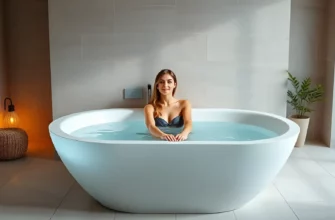
- Don’t use a standard bathtub for your cold plunge if you can avoid it; it is rarely deep enough to submerge your thyroid gland and chest.
- Don’t forget to wear neoprene booties if the “toe pain” of the cold plunge becomes the limiting factor in your stay.
What to Wear in the Sauna and the Tub
Minimalism is usually best. Lightweight, breathable swimwear allows for maximum skin exposure to both the heat and the cold. Some practitioners prefer to go into the sauna with a towel to sit on for hygiene and comfort. Avoid wearing jewelry, as metal can heat up rapidly in the sauna and cause skin burns, or become uncomfortably cold in the plunge.
If you are setting up a home routine, consider the ventilation of your space. Saunas produce significant heat that needs to escape, and cold plunges can create condensation and humidity issues if placed in a small, unvented bathroom. A garage or a covered outdoor patio is often the ideal location for a home recovery hub.
Common Mistakes to Avoid When Cycling Heat and Cold
The most dangerous mistake beginners make is treating the sauna cold plunge combo as a competition. Pushing yourself to stay in 35°F water for 10 minutes on your first day is not “tough”; it is a recipe for a medical emergency. You must respect the power of thermal stress and understand that your tolerance will fluctuate based on your sleep, diet, and stress levels.
Critical Warning: Never consume alcohol before or during your sessions. Alcohol dilates blood vessels and impairs your body’s ability to regulate temperature, significantly increasing the risk of fainting or heart strain.
Staying Safe After a Cold Plunge
The “afterdrop” is a phenomenon where your core temperature continues to fall even after you have exited the cold water. This happens because the cold blood from your extremities begins to circulate back to your core. To stay safe, always dry off immediately and put on warm, layered clothing. Do not jump straight into a hot shower, as this can cause a rapid drop in blood pressure that may lead to dizziness.
Finally, listen to your body’s signals. If you begin to shiver uncontrollably or if your skin becomes numb and stays white for too long, you have overstayed your welcome in the cold. The goal is to stimulate the nervous system, not to traumatize it. Consistent, moderate sessions are far more beneficial for long-term health than occasional, extreme ones.
In my professional experience, the most successful practitioners of contrast therapy are those who focus on the “internal” work rather than just the clock. I always advise my clients to focus exclusively on nasal breathing during the cold plunge. When you hit the water, your body wants to gasp; by forcing yourself to breathe through your nose, you are signaling to your autonomic nervous system that you are safe. This shifts you from a sympathetic (fight-or-flight) state into a parasympathetic (rest-and-digest) state more quickly. Remember, the best protocol is the one you can do consistently. You are looking for hormesis—the “Goldilocks zone” of stress that makes you stronger without breaking you down.
Frequently Asked Questions
Most people should start with the sauna to warm the muscles and finish with the cold plunge. Ending on cold triggers the Soeberg Principle, forcing your body to burn energy to reheat itself, which boosts metabolism.
How long should I stay in the cold plunge after a sauna?
A duration of 1 to 5 minutes is ideal. Beginners should start with just 60 seconds and focus on controlling their breath before trying to extend the time.
Can I do a sauna and cold plunge combo every day?
Yes, it is generally safe for healthy individuals. However, pay close attention to your energy levels. If you feel chronically tired, you may be over-taxing your nervous system and should take a break.
What should I wear during my sauna and cold plunge routine?
Lightweight swimwear is the best option. Consider a wool sauna hat to protect your head from the heat and neoprene booties if your feet are particularly sensitive to the cold water.
Is the sauna cold plunge combo good for weight loss?
It can assist in weight loss by activating brown adipose tissue (brown fat) and increasing your heart rate, but it should be viewed as a supplement to a proper diet and exercise plan.
Should I do the routine before or after a massage?
It is best to do it before a massage. The heat loosens the muscles and the cold reduces inflammation, making the massage more effective and less painful.