- Analyzing the Pros and Cons of Cold Plunge for Your Body and Mind
- The Real Benefits: Why People Are Brave Enough to Freeze
- The Truth About Cold Plunge: Finding Your Ideal Temperature and Time
- How Cold and How Long Should You Actually Stay In?
- Setting the Dial: What Temperature Should You Start With?
- Mastering the Best Way to Warm Up After a Cold Plunge
- Safely Returning to Normal Body Temperature
- When Not to Cold Plunge: Sickness, Safety, and Red Flags
- Is It Bad to Cold Plunge While Sick?
- Dangers of Cold Plunging: Who Should Avoid It?
- Optimization: Does It Matter When You Cold Plunge?
- Eating, Training, and Sleeping: The Timing Protocol
- Designing the Best Cold Plunge Routine for Long-Term Results
- Frequency and Consistency: How Much Is Too Much?
- Frequently Asked Questions
Analyzing the Pros and Cons of Cold Plunge for Your Body and Mind
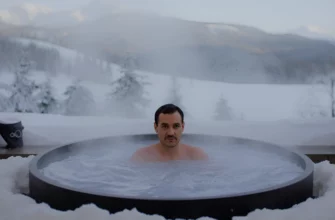
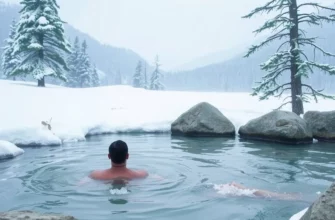
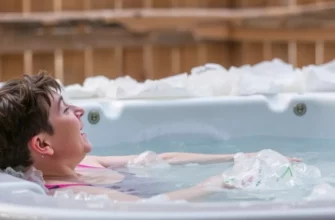
Stepping into a tub filled with ice-cold water is a profound physiological event that triggers an immediate systemic response. While the practice has exploded in popularity among elite athletes and biohackers, understanding the balance between its intense benefits and inherent risks is vital for long-term success. This therapeutic stressor, known as cold water immersion, forces your body to adapt in ways that modern climate-controlled environments rarely require.
| Category | The Pros (Benefits) | The Cons (Risks/Trade-offs) |
|---|---|---|
| Mental Health | Massive dopamine release and improved stress resilience. | Initial panic response can be overwhelming for some. |
| Physical Recovery | Significant reduction in muscle soreness and systemic inflammation. | Can blunt muscle hypertrophy if done immediately after lifting. |
| Metabolism | Activation of brown adipose tissue (BAT) for thermogenesis. | High caloric demand can lead to fatigue if nutrition is poor. |
| Safety | Strengthens the vascular system through vasoconstriction. | Risk of “afterdrop” or hypothermia if duration is mismanaged. |
The Real Benefits: Why People Are Brave Enough to Freeze
The primary reason people voluntarily endure freezing temperatures is the unparalleled neurochemical shift. Research indicates that cold water immersion can increase baseline dopamine levels by up to 250%, providing a steady state of focus and elevated mood that lasts for hours after exiting the water. Unlike the “spike and crash” associated with caffeine or sugar, this dopamine release is sustained, helping to build significant mental resilience against daily stressors.
For those who engage in high-impact activities, the question of whether a cold soak reduces muscle soreness is answered by its effect on blood flow. By inducing rapid vasoconstriction, the cold helps flush metabolic waste from muscle tissue. This is particularly effective for those looking for the benefits of a cold soak after running, as it constricts the blood vessels to limit the swelling and micro-tears that lead to delayed onset muscle soreness (DOMS). This allows runners to return to their training schedule faster and with less discomfort.
Beyond recovery, the metabolic boost provided by ice baths is a significant draw. When your core temperature drops, your body must work overtime to maintain homeostasis. This process activates brown fat, a type of adipose tissue that burns calories to generate heat. Over time, consistent exposure can improve insulin sensitivity and overall metabolic health, making it a powerful tool for those looking to optimize their body composition and energy regulation.
The Truth About Cold Plunge: Finding Your Ideal Temperature and Time
The most common mistake beginners make is assuming that colder is always better. In reality, the goal is to find a temperature that is “uncomfortably cold yet safe” to trigger a hormetic response without causing injury. Efficiency in cold therapy is about consistency over the long term, not surviving the most extreme temperature possible for a single session.
How Cold and How Long Should You Actually Stay In?
Science suggests that the threshold for physiological benefits typically begins at temperatures between 50°F and 60°F (10°C to 15°C). For a beginner, even a 1 or 2 minute cold plunge is enough to trigger the release of norepinephrine and activate the sympathetic nervous system. You do not need to spend twenty minutes in the ice to see results; in fact, the “Minimum Effective Dose” is often much shorter than people realize.
Current protocols, often popularized by neuroscientists like Dr. Andrew Huberman, suggest a cumulative total of 11 minutes of cold exposure per week, spread across 2 to 4 sessions. This means that a 3 minute session is often the “sweet spot” for most practitioners. While some experienced users push toward 5 minutes, staying in longer than this frequently yields diminishing returns and increases the risk of core temperature drops that can take hours to recover from.
Setting the Dial: What Temperature Should You Start With?
If you are new to the practice, you should start with water that is approximately 60°F (15°C). This allows your nervous system to adapt to the “cold shock response” without inducing a full-scale panic attack or gasping reflex. As your body becomes more efficient at thermal regulation, you can gradually lower the temperature by 1 or 2 degrees every few weeks.
It is dangerous to jump into water near 33°F (1°C) without prior conditioning. Extreme cold can cause cardiac stress or a loss of motor control in the limbs, making it difficult to exit the tub. Always prioritize safety by ensuring you can maintain calm, rhythmic breathing throughout the duration of your soak. If you find yourself hyperventilating and unable to regain control, the water is too cold for your current level of adaptation.
Mastering the Best Way to Warm Up After a Cold Plunge
The period immediately following your exit from the water is just as important as the plunge itself. Many people make the mistake of jumping straight into a hot shower, which can lead to a phenomenon known as “afterdrop.” This occurs when the cold blood from your extremities rushes back to your core too quickly, causing your internal temperature to continue falling even though you are no longer in the cold.
Safely Returning to Normal Body Temperature
Watching your heart rate after a cold soak provides a window into your recovery. Initially, your heart rate may spike due to the cold shock, but as you warm up naturally, it should stabilize. Using movement rather than external heat sources (like saunas or hot tubs) forces your body to re-engage its own thermogenic mechanisms, which strengthens your metabolic resilience over time.
The “sobering” effect of the shiver response is actually a sign of a healthy nervous system. By allowing yourself to shiver for a few minutes before seeking external heat, you maximize the metabolic benefits of the session and ensure that your brown fat stores are fully engaged. This natural warming process helps prevent the dizziness or nausea often associated with the afterdrop effect.
When Not to Cold Plunge: Sickness, Safety, and Red Flags
While cold therapy is a powerful health tool, it is also a significant stressor. There are specific times when the body is not equipped to handle this stress, and pushing through can lead to prolonged recovery times or serious medical complications. Recognizing these red flags is a hallmark of an advanced practitioner.
Is It Bad to Cold Plunge While Sick?
The short answer is yes; you should avoid cold plunging when you are sick. Cold water immersion triggers a “hormetic” stress response, which is beneficial when you are healthy because it forces the body to grow stronger. However, when you are fighting an infection, your immune system and metabolic resources are already fully committed to the healing process.
Adding the stress of extreme cold can overtax your system, potentially suppressing your immune response and allowing the illness to linger longer. If you are feeling under the weather, prioritize rest, hydration, and sleep. Wait until you are 100% recovered before returning to the ice tub to ensure you are building your body up rather than tearing it down.
Dangers of Cold Plunging: Who Should Avoid It?
The most significant danger of cold plunging is the “cold shock response,” which can lead to involuntary gasping. If your head goes underwater during this reflex, the risk of drowning is high. This is why you should never cold plunge alone in open water or deep tubs if you are inexperienced. Furthermore, the rapid constriction of blood vessels can cause a sudden rise in blood pressure, which is dangerous for those with hypertension.
Age is also a factor to consider. Children have a higher surface-area-to-mass ratio, meaning they lose heat much faster than adults and are at a higher risk for hypothermia. Similarly, seniors may have reduced thermoregulatory capacity or underlying heart issues that make the shock of an ice bath particularly risky. Always consult with a medical professional if you fall into a high-risk category or have concerns about your heart health.
Optimization: Does It Matter When You Cold Plunge?
Timing your cold exposure can significantly alter the results you achieve. Depending on whether your goal is mental clarity, athletic recovery, or metabolic health, you may want to shift your plunge to different times of the day to align with your body’s natural rhythms.
Eating, Training, and Sleeping: The Timing Protocol
One of the most debated topics is whether to eat before or after your soak. Generally, plunging in a fasted state (such as first thing in the morning) may enhance the metabolic benefits and the activation of brown fat. However, if you find that the cold makes you excessively lightheaded, having a small, protein-rich snack 30 minutes prior can provide the fuel needed for thermogenesis.
When it comes to strength training, timing is critical. Cold water immersion is highly effective at reducing inflammation, but inflammation is a necessary signal for muscle hypertrophy (growth). If you are lifting weights to build muscle, you should wait at least 4 to 6 hours after your workout before plunging. Doing it too soon can blunt the “anabolic signaling” and reduce the effectiveness of your training. Conversely, for endurance athletes or those in the middle of a multi-day competition, plunging immediately after exercise is excellent for managing fatigue.
Regarding sleep, be cautious with late-night plunges. While the drop in core temperature after a plunge can eventually help you fall asleep, the initial spike in cortisol and epinephrine can act as a powerful stimulant. Most people find that a morning or mid-afternoon plunge provides an energy boost that lasts all day, whereas a plunge within two hours of bedtime might keep them awake.
Designing the Best Cold Plunge Routine for Long-Term Results
Building a sustainable routine requires more than just willpower; it requires a plan that accounts for your lifestyle and recovery capacity; The goal is to make the cold a regular part of your hygiene, much like brushing your teeth, rather than a grueling chore you dread every day.
Frequency and Consistency: How Much Is Too Much?
You might wonder why cold plunging never seems to get “easier” in the traditional sense. This is because your brain is hardwired to perceive freezing water as a life-threatening environment. The mental struggle is the point; every time you step in despite your brain telling you to run, you are strengthening the prefrontal cortex and building “top-down” control over your impulses.
While some enthusiasts advocate for 2 cold plunges a day, this is usually unnecessary for 99% of the population. Over-exposure can lead to chronic activation of the stress response, which may result in adrenal fatigue or disrupted sleep. Stick to the science-backed 11-minute weekly goal. If you find yourself constantly shivering throughout the day or feeling unusually lethargic, you are likely overdoing it and should reduce your frequency or increase the water temperature.
In my professional experience working with high-performance athletes, I have found that the most successful practitioners are those who view the cold as a conversation with their nervous system, not a battle to be won. I always advise my clients to focus on the concept of Hormesis. This is the biological phenomenon where a low dose of a stressor—in this case, cold water—triggers a massive cellular repair and strengthening response. The goal isn’t to see how long you can suffer; it’s to find the minimum amount of cold required to trigger that “shiver” and dopamine spike. If you go too far, you move from hormetic stress into toxic stress, which stalls your progress. The best routine is always the one you can perform safely and consistently without dreading the process.
Frequently Asked Questions
For most healthy individuals, a daily plunge is safe if the duration is kept short (2-3 minutes). However, you must monitor for signs of nervous system fatigue, such as persistent shivering, irritability, or poor sleep quality.
What is the best temperature for a beginner to start cold plunging?
Beginners should aim for a range of 55-60°F (12-15°C). This temperature is cold enough to elicit a physiological response but warm enough to allow for proper breathing and safety during the initial adaptation phase.
Should I cold plunge if I have a cold or flu?
No. Cold immersion is a significant stressor that taxes the body’s resources. When you are ill, your body needs those resources to fight infection, and adding cold stress can worsen your symptoms or delay recovery.
Can I cold plunge immediately after a heavy weightlifting session?
It is generally recommended to wait at least 4 to 6 hours after strength training. Cold water can blunt the inflammatory signals required for muscle growth, although it is excellent for recovery from endurance-based activities.
How long do I need to stay in to see mental health benefits?
Even a 1 to 2 minute session can trigger a significant release of dopamine and norepinephrine, providing mental clarity and mood elevation that can last for several hours.
Is 5 minutes in a cold plunge too long?
For most people, yes. Research shows that most benefits are achieved within 2-3 minutes. Staying in for 5 minutes or longer increases the risk of hypothermia and afterdrop without providing substantial additional benefits.