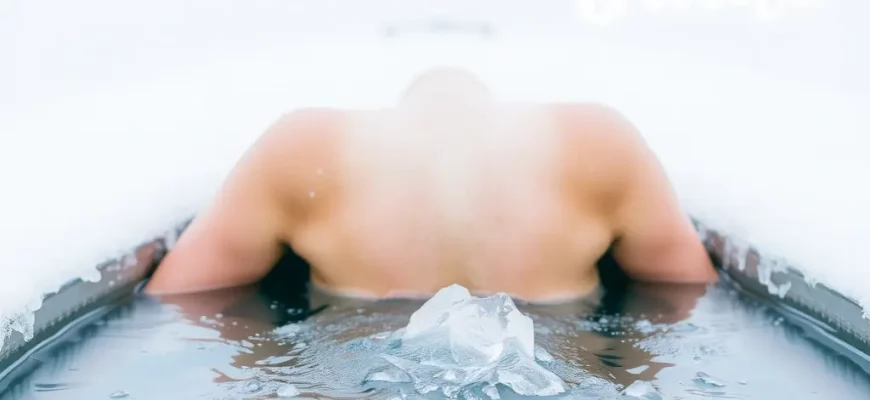
- Understanding how cold plunges for women affect female physiology
- Why the female response to cold is unique
- Timing your cold water therapy with your menstrual cycle
- Is it safe to cold plunge on your period?
- Navigating the luteal phase and ovulation
- Debunking myths about cold plunging and female fertility
- Can cold exposure impact your path to conception?
- Managing perimenopause and endometriosis with cold therapy
- Finding relief for perimenopause symptoms
- Is cold water helpful for endometriosis pain?
- When a cold plunge is not the right choice for women
- Signs that your body needs a break from the cold
- What the science says: Analyzing cold plunge women studies
- The gap in current cold therapy research
- Expert Perspective: Bio-Individual Cold Therapy
- Frequently Asked Questions
Understanding how cold plunges for women affect female physiology
The rise of cold water immersion has brought a wave of health claims, yet most foundational research has historically centered on male physiology․ For a woman, a cold plunge is not just a test of mental grit; it is a complex interaction with a biological system that shifts significantly every single week․ Understanding these nuances is the first step toward using cold as a tool for longevity rather than a source of unnecessary systemic stress․
While the basic mechanics of cold exposure—such as the release of norepinephrine and the activation of brown adipose tissue—remain consistent across genders, the female body processes these signals through a different hormonal lens․ Women typically possess a higher percentage of subcutaneous body fat, which acts as a natural insulator, yet they often experience a more rapid drop in skin temperature compared to men․ This paradox means that while a woman might be better “insulated” against deep core cooling, her surface-level receptors may trigger a sharper, more intense cold shock response․
Why the female response to cold is unique
The female endocrine system is a finely tuned instrument that regulates everything from metabolic rate to internal temperature set points․ Unlike the relatively linear hormonal profile of men, women operate on a cyclical rhythm where estrogen and progesterone levels dictate how the body manages external stressors․ When a woman enters a cold plunge, her body must balance the immediate need for thermal regulation with the ongoing demands of hormonal synthesis․
Body fat distribution plays a significant role in this experience․ Women tend to carry more peripheral fat, which can actually make the initial “bite” of the water feel more intense because the temperature gradient between the skin and the water is so sharp․ However, this same fat layer can help maintain core temperature longer once the initial shock subsides․ The challenge lies in the vagus nerve stimulation; while cold water is excellent for toning the nervous system, an over-stressed female body may interpret the cold as a threat to reproductive safety, potentially spiking cortisol levels higher than intended․
Timing your cold water therapy with your menstrual cycle
Mapping your cold plunges to your menstrual cycle is the most effective way to ensure you are working with your biology rather than against it․ Your basal body temperature (BBT) fluctuates by about 0․5 to 1․0 degree Fahrenheit throughout the month, which significantly alters your “thermal neutral” zone․ By adjusting the duration and intensity of your plunges based on your current phase, you can maximize recovery benefits while minimizing the risk of burnout․
During the first half of the cycle, estrogen is the dominant player, typically providing women with higher resilience and a more robust recovery capacity․ As you move into the second half, progesterone takes over, raising your internal temperature and making your nervous system more sensitive to external “threats” like freezing water․ Using the following guide can help you navigate these shifts effectively․
| Cycle Phase | Physiological State | Cold Tolerance | Recommended Protocol |
|---|---|---|---|
| Follicular (Days 1-14) | Low core temp, rising estrogen | High | Standard plunges (2-5 mins); great for metabolic boost․ |
| Ovulation (Days 14-16) | Peak estrogen and testosterone | Moderate/High | Focus on mood regulation; keep sessions consistent․ |
| Luteal (Days 17-28) | High core temp, high progesterone | Low | Shorten duration (1-2 mins); water will feel much colder․ |
| Menstruation (Days 1-5) | Low hormones, inflammatory peak | Variable | Listen to energy; focus on inflammation relief, not “pushing through․” |
Is it safe to cold plunge on your period?
Many women wonder if they should skip their cold practice during their bleed, but the answer is highly individual․ During menstruation, the body is already dealing with a higher inflammatory load as it sheds the uterine lining․ A short cold plunge can actually act as a powerful natural analgesic, constricting blood vessels and potentially reducing the systemic inflammation that contributes to period cramps and lower back pain․
However, energy levels are often at their lowest during this time․ If you feel depleted, a 40-degree plunge might tax your adrenals more than it helps your muscles․ If you choose to plunge on your period, focus on the “minimum effective dose”—usually 60 to 90 seconds is enough to trigger a dopamine release and reduce aches without causing a massive cortisol spike that could disrupt your cycle later․
Navigating the luteal phase and ovulation
The luteal phase is where most women struggle with cold therapy․ After ovulation, progesterone causes your basal body temperature to rise․ Because your internal “thermostat” is set higher, the gap between your body and 50-degree water feels much wider․ This is why a plunge that felt easy on Day 10 of your cycle might feel absolutely agonizing on Day 22․
During this phase, your body is also in a “pro-gestational” state, meaning it is more sensitive to stress․ Excessive cold exposure during the late luteal phase can sometimes lead to spotting or increased PMS symptoms if the body feels it is under metabolic threat․ To stay safe, avoid breaking personal records for time or temperature during the week before your period․ Instead, use the cold as a tool for nervous system down-regulation rather than a high-intensity challenge․
Debunking myths about cold plunging and female fertility
There is a recurring myth in some wellness circles that “cold shocks the ovaries” or can lead to infertility․ This stems from a misunderstanding of how the body prioritizes survival․ While it is true that extreme, chronic stress (like starvation or over-training) can shut down ovulation, the brief, controlled stress of a cold plunge—known as hormesis—is fundamentally different․
Hormetic stress actually trains the body to be more resilient․ By exposing yourself to controlled bursts of cold, you can improve insulin sensitivity and reduce chronic inflammation, both of which are essential components of a healthy reproductive environment․ The key is ensuring that the “stress bucket” doesn’t overflow․ If you are already under high emotional stress or physical exhaustion, adding a deep cold plunge might be the tipping point, but for a healthy woman, it is generally a net positive․
Myth: Cold water immersion can “freeze” eggs or damage ovarian reserve․
Fact: Your ovaries are protected deep within the pelvic cavity, and your core temperature remains stable during a standard 2-3 minute plunge․ There is zero scientific evidence that cold water impacts egg quality or quantity․ However, if you are undergoing IVF or active fertility treatments, always consult your specialist, as they may prefer you avoid systemic shocks during specific windows of your medication protocol․
Can cold exposure impact your path to conception?
For women trying to conceive, the goal is to maintain a state of “safety” within the nervous system․ The body will not prioritize reproduction if it feels it is in a constant state of fight-or-flight․ Therefore, the timing of your cold exposure becomes paramount․ During the follicular phase, cold therapy can help regulate the stress hormones that might otherwise interfere with the maturation of a follicle․
However, during the “two-week wait” (the time between ovulation and a expected period), many practitioners recommend switching to more gentle forms of hydrotherapy․ While there is no hard evidence that a 2-minute plunge prevents implantation, many women prefer to err on the side of caution by keeping their core temperature stable and avoiding the sharp adrenaline spike associated with the cold shock response during this delicate window․
Managing perimenopause and endometriosis with cold therapy
As women enter perimenopause, the “internal thermostat” often becomes haywire due to fluctuating estrogen levels․ This leads to the classic symptoms of hot flashes and night sweats; Cold plunging offers a unique way to re-train the hypothalamus, the part of the brain responsible for temperature regulation․ By voluntarily entering the cold, you are teaching your body how to more efficiently dissipate heat and manage vasomotor symptoms․
For those dealing with endometriosis, the benefits are often rooted in the reduction of pelvic inflammation․ Endometriosis is a systemic inflammatory condition, and the “cold shock proteins” released during a plunge can help dampen the cytokine storms that drive pain․ However, some women find that the intense cold causes pelvic floor muscles to “guard” or seize up, which can actually worsen cramping․ It is vital to focus on deep, diaphragmatic breathing while in the water to keep the pelvic floor relaxed․
Finding relief for perimenopause symptoms
Perimenopause is often characterized by a “thinning” of the nervous system’s resilience․ Women find they are more easily stressed, and their sleep quality often plummets․ Regular cold exposure in the morning can help set a strong circadian rhythm by spiking cortisol early in the day (where it belongs) and allowing it to taper off naturally by evening․
The psychological benefit shouldn’t be overlooked either․ The “brain fog” associated with perimenopause can often be cleared by the massive surge of dopamine and norepinephrine that follows a plunge․ To get the most out of this, try a “thermal cycling” approach: follow your cold plunge with a few minutes of natural air drying rather than jumping straight into a hot shower, which encourages your body to do the work of re-warming itself․
Is cold water helpful for endometriosis pain?
When dealing with endometriosis, the goal of cold therapy is to lower the “baseline” of inflammation in the body․ While a plunge might not stop an acute flare-up in its tracks, regular practice can reduce the overall inflammatory markers that make flares more frequent․ Some women report that the numbing effect of the cold provides a much-needed break from chronic pelvic discomfort․
If you are using cold for endo, pay close attention to your body’s “recoil” response․ If you find yourself tensing your hips and abdomen to fight the cold, you may be doing more harm than good․ Aim for slightly warmer “cool” plunges (around 55-60°F) where you can maintain a soft, relaxed belly, rather than ice-cold temperatures that trigger a rigid muscular defense․
When a cold plunge is not the right choice for women
Despite the numerous benefits, cold plunging is a high-intensity physiological event․ There are times when the female body is simply too taxed to benefit from the added stress․ Pushing through a plunge when your body is signaling “no” can lead to adrenal fatigue, where the nervous system stays stuck in a sympathetic (fight-or-flight) state, leading to exhaustion, sleep disturbances, and even hair loss․
Women are also more susceptible to a phenomenon called “afterdrop,” where the core temperature continues to fall even after exiting the water․ Because women often have less muscle mass to generate heat through shivering, the re-warming process can be slower․ If you find yourself shivering uncontrollably for more than 20 minutes post-plunge, your session was likely too long or too cold for your current state of health․
- Don’t plunge if you are already feeling “wired but tired,” as this is a classic sign of adrenal over-extension․
- Do protect sensitive areas; many women experience sharp pain in the nipples or extremities․ Wearing neoprene booties or a bikini top can provide a necessary barrier against the “cold nip․”
- Don’t use cold plunging as a way to “punish” your body after a bad meal or missed workout; it should be a tool for health, not a form of metabolic penance․
- Do prioritize a slow re-warm․ Always have dry layers and a warm drink ready immediately after exiting to prevent a dangerous afterdrop․
Signs that your body needs a break from the cold
The most common sign that cold therapy is backfiring is a change in your menstrual cycle․ If your periods become irregular, or if you start experiencing “spotting” mid-cycle, your body may be telling you that the total stress load is too high․ Cold plunging is a withdrawal from your energy bank account; you must have enough “deposits” in the form of sleep and nutrition to cover it․
Other warning signs include persistent coldness throughout the day, increased anxiety, or a lack of the “post-plunge glow․” If you leave the water feeling drained and grumpy rather than energized and alert, take a full week off from the cold․ Allow your thyroid and adrenal glands to recalibrate without the demand of thermal regulation․
What the science says: Analyzing cold plunge women studies
The current landscape of cold therapy research is, unfortunately, skewed toward male data․ However, emerging studies focusing on female participants show promising results regarding metabolic health and mental resilience․ One of the most significant findings is that women can achieve the same “cold shock protein” benefits as men at slightly higher temperatures, meaning you don’t necessarily have to sit in 33-degree water to see results․
The data suggests that for women, the consistency of the practice is more important than the intensity․ Short, frequent exposures appear to be more effective for long-term hormonal health than occasional, “ego-driven” long stays in the ice․ As more female-centric trials are conducted, we are beginning to see that the “minimum effective dose” for women may be lower than for their male counterparts, allowing for a more sustainable and less stressful practice․
- Metabolic Efficiency: Women who plunge regularly show improved insulin sensitivity, which is crucial for PCOS management and weight stability․
- Mood Regulation: The dopamine spike from cold water can last for hours, providing a natural “anti-depressant” effect that is particularly helpful for PMDD sufferers․
- Inflammatory Markers: Studies show a marked decrease in C-reactive protein (CRP) in women who utilize cold therapy 2-3 times per week․
- Vascular Health: Improved “vascular gymnastics” helps with Raynaud’s symptoms in the long run, though caution is needed during the actual exposure․
The gap in current cold therapy research
Most of the “3 minutes at 34 degrees” protocols you see online are based on studies of athletic young men․ These studies often fail to account for the estrogen-to-progesterone ratio or the fact that women have a different surface-area-to-mass ratio․ This gap in the research means that women must become their own “N-of-1” experimenters, carefully tracking how they feel in relation to their own unique cycles․
We need more clinical trials that specifically look at cold exposure’s impact on the thyroid and the HPA axis in women․ Until that data is robust, the best approach is one of cautious intuition․ Use the existing science as a framework, but always let your own biological signals be the final authority on whether the water is too cold or the session is too long․
Expert Perspective: Bio-Individual Cold Therapy
In my professional experience working with female athletes and women navigating hormonal transitions, I have found that the greatest mistake is following a rigid, “no-days-off” protocol․ The female body is designed for conservation and safety; when you force it into extreme cold during the luteal phase or a high-stress week, you aren’t building “mental toughness”—you are potentially signaling to your thyroid to slow down metabolism to “survive” the perceived winter․ I always advise my clients to track their morning resting heart rate and BBT․ If your heart rate is 5-10 beats higher than usual, that is a day for a warm bath, not a cold plunge․ Listen to the subtle whispers of your body before they become screams of burnout․
Frequently Asked Questions
Yes, it is safe for most women and can help reduce menstrual inflammation and cramps․ However, since your energy levels may be lower, keep your sessions shorter (around 60-90 seconds) and pay close attention to your fatigue levels․
Will cold plunging affect my fertility?
There is no evidence that moderate cold exposure causes infertility․ In fact, by reducing systemic inflammation, it may support reproductive health․ However, avoid extreme cold stress during the “two-week wait” if you are actively trying to conceive to keep the nervous system in a relaxed state․
Why does my body feel colder during the luteal phase?
Progesterone raises your basal body temperature after ovulation, making the temperature difference between your skin and the water feel more extreme․ Your body is also more sensitive to stress during this time, so it is normal to have a lower tolerance for the cold․
Is cold plunging helpful for menopause symptoms?
Many women find significant relief from hot flashes and night sweats through cold therapy․ It helps “reset” the hypothalamus and improves the body’s ability to regulate its internal temperature, while also boosting the mood and clearing brain fog․
How long should a woman stay in a cold plunge?
For most women, 2 to 3 minutes is the “sweet spot” for metabolic and mental health benefits․ Staying in longer than 5 minutes can lead to excessive cortisol spikes and a higher risk of afterdrop, which can be harder for women to recover from․
Does cold water therapy help with endometriosis pain?
It can help by lowering systemic inflammation, but some women find the cold triggers muscle guarding․ Experiment with slightly warmer temperatures (55°F) and focus on keeping your pelvic floor relaxed through deep breathing while in the water․