- Choosing a Target Cold Plunge or Budget-Friendly Starter Kit
- What to Look for in a Cold Plunge Set
- Premium Comparison: Plunge Brand‚ Oden‚ and Forge
- Why the Plunge All-In Model is Changing the Game
- DIY Hacks: How to Turn Your Tub into a Cold Plunge
- Can You Do a Cold Plunge in the Shower or Pool?
- Maintenance 101: How to Renew and Refresh Your Water
- Quick Steps to Restore and Reset Your System
- The Rise of Portable and Blow Up Cold Plunges
- Best Practices for Preparing for a Cold Plunge
- Safety First: Staying Comfortable in Freezing Water
- Frequently Asked Questions
Choosing a Target Cold Plunge or Budget-Friendly Starter Kit
The surge in popularity of cold water therapy has turned a once-niche athletic recovery tool into a household wellness staple. Many people begin their journey by searching for a Target cold plunge‚ hoping to find an accessible entry point into the world of deliberate cold exposure. While Target primarily stocks seasonal items like inflatable pools or heavy-duty stock tanks rather than high-end $5‚000 chillers‚ these items serve as the perfect foundation for a budget-friendly recovery setup.
Setting up a home system does not require a massive upfront investment if you are willing to manage the ice yourself. The key is to find a vessel that offers enough depth for full submersion while remaining durable enough to withstand the weight of water and the thermal stress of ice. By starting with a basic kit‚ you can test your commitment to the practice before committing to a permanent‚ plumbed-in installation.
What to Look for in a Cold Plunge Set
When evaluating budget options‚ the material composition is the most critical factor for longevity. A high-quality cold plunge set should be constructed from UV-resistant plastics or reinforced resins to prevent the walls from bowing or cracking under the pressure of several hundred gallons of water. Look for tanks with a wall thickness of at least 0.25 inches to ensure the unit doesn’t lose its shape over months of use.
Insulation is the second pillar of a successful budget build. Most entry-level tubs lack built-in cooling units‚ meaning you will need to ice up your cold plunge manually. To prevent the water from warming up too quickly in the summer heat‚ choose a tub with a dedicated lid or consider wrapping the exterior in reflective thermal insulation. This small modification can reduce your ice consumption by up to 30%‚ making your daily routine significantly more affordable.
Finally‚ never overlook the logistics of drainage. A full tub can weigh over 800 pounds‚ making it impossible to move once filled. Ensure your chosen tub features a standard 1-inch drain valve that is compatible with a garden hose. Positioning your setup near a floor drain or a sloped outdoor area will prevent your recovery space from turning into a swamp every time you need to refresh the water.
Premium Comparison: Plunge Brand‚ Oden‚ and Forge
For those moving beyond the DIY stage‚ the market for high-end‚ dedicated units has expanded rapidly. These systems offer the convenience of “set it and forget it” temperature control‚ removing the need for daily ice runs. The choice between a Plunge Brand unit‚ an Oden tub‚ or a Forge system often comes down to the balance between aesthetic appeal and industrial-grade cooling power.
| Feature | Plunge Brand (All-In) | Oden (Premium) | Forge (Industrial) |
|---|---|---|---|
| Cooling Speed | 3-5°F per hour | 2-4°F per hour | 6-8°F per hour |
| Primary Material | Acrylic / Fiberglass | Cedar / Stainless Steel | Galvanized Steel |
| Filtration | 5-Micron + UV + Ozone | Ozone + Standard Filter | Optional External Kit |
| Best For | Indoor Aesthetics | Luxury Outdoor Spas | Extreme Durability |
Why the Plunge All-In Model is Changing the Game
The Plunge All-In model represents a significant shift in how these units are engineered by integrating the chiller‚ pump‚ and filtration system directly into the chassis of the tub. This eliminates the “spaghetti” of hoses and external wires that plagued earlier generations of home systems. By housing all components internally‚ the unit operates at a much lower decibel level‚ making it suitable for placement in a home gym or even a master bathroom.
The self-cleaning technology in these units is a major selling point for busy professionals. Using a combination of high-pressure 5-micron filters and Ozone sanitation‚ the Plunge brand cold plunge can keep water clear for up to six months without a full change. Always ensure the UV light is functioning correctly‚ as this is your primary defense against the biofilm that naturally accumulates in standing water.
Placement flexibility is another area where the All-In excels. Because it is a plug in cold plunge designed for standard 110V outlets‚ it doesn’t require specialized electrical work. However‚ if you plan on outdoor placement‚ verify that your specific model is rated for the local climate‚ as extreme freezing temperatures can damage the internal heat exchanger if the unit is not running a “winter mode” circulation cycle.
DIY Hacks: How to Turn Your Tub into a Cold Plunge
You do not need to spend thousands of dollars to experience the benefits of hydrotherapy at home. The philosophy behind the remedy place cold plunge movement is that the therapeutic effect comes from the water temperature‚ not the price of the vessel. Many enthusiasts successfully transition into a routine by utilizing existing household fixtures or inexpensive outdoor alternatives.
Warning: When performing a DIY cold plunge‚ never use a chest freezer unless it has been professionally waterproofed and the power is completely disconnected before entry. Electrocution is a real risk in uncertified DIY builds.
Can You Do a Cold Plunge in the Shower or Pool?
Using your shower is the easiest way to start‚ though it has limitations. Most residential water heaters and municipal lines only drop to about 55-60°F‚ which is on the high end of the therapeutic range. To maximize the effect‚ focus the stream on your upper back and neck to stimulate the vagus nerve‚ which helps regulate the nervous system’s response to stress.
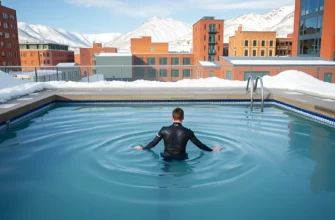
If you have an unheated backyard pool‚ winter months provide a perfect opportunity to turn your bath into a cold plunge environment on a larger scale. However‚ pool water is treated with different chemicals than a dedicated tub. Monitor your skin’s reaction to the chlorine levels when staying submerged for several minutes‚ as the cold can make your skin more sensitive to chemical irritation.
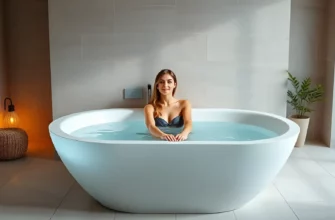
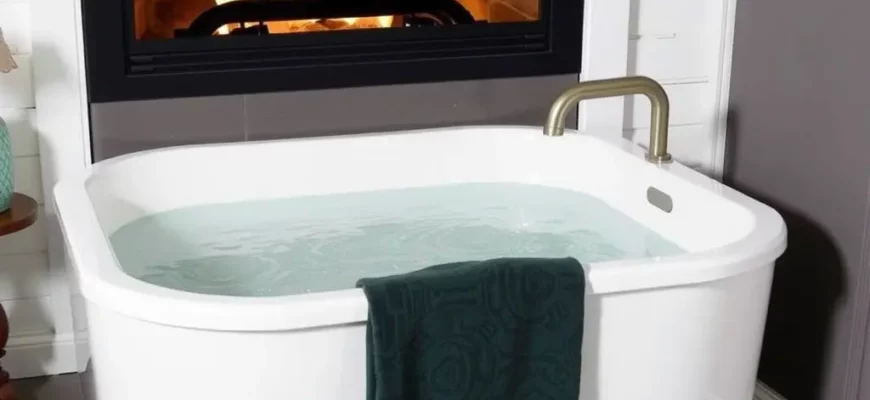
For a true ice bath experience in a standard bathtub‚ the ratio of ice to water is the deciding factor. To reach the 45°F-50°F range‚ you generally need 40 to 60 pounds of ice for a half-filled tub. To save money‚ consider freezing large blocks of ice in silicone molds or Tupperware containers rather than buying bags of cubes‚ as larger blocks melt slower and provide a more sustained temperature drop.
Maintenance 101: How to Renew and Refresh Your Water
Maintaining water hygiene is the most overlooked aspect of owning a home system. If you ignore the chemistry‚ you will eventually find yourself with a tub full of bacteria and algae. To restore a cold plunge that has been sitting dormant‚ you must go beyond a simple water change and address the internal plumbing where biofilm likes to hide.
Keeping the water crystal clear requires a proactive approach. Even if your unit has a filter‚ human skin sheds oils and cells every time you dip. Using a non-chlorine shock treatment once a week can oxidize these organic materials without the harsh smell of a public swimming pool. This is essential for maintaining the “renewed” feeling of the water over several weeks of use.
Quick Steps to Restore and Reset Your System
If you find that your water has become cloudy or developed an odor‚ it is time to reset the cold plunge entirely. Draining the unit is the first step‚ but you should also inspect the intake screens for any debris that might be straining the pump. A strained pump runs hotter‚ which decreases the efficiency of the cooling cycle and can lead to premature motor failure.
When you refresh the cold plunge with new water‚ consider adding a water stabilizer. These products help prevent calcium buildup on the cooling coils. Always replace the filter cartridge during a full water reset; using an old‚ clogged filter with fresh water is like putting dirty oil back into a clean car engine. This ensures your filtration system can operate at peak flow from day one.
The Rise of Portable and Blow Up Cold Plunges
For athletes who travel or renters with limited space‚ the blow up cold plunge has become a revolutionary tool. Brands like Ice Doo and Plunge Lab have pioneered the use of “drop-stitch” technology—the same material used in high-end stand-up paddleboards—to create inflatable tubs that are incredibly rigid. These units can be inflated to high pressures‚ allowing a person to sit on the edge without the walls collapsing.
The portability of these units is their greatest strength. A Breka cold plunge or a similar inflatable model can be deflated and packed into a large duffel bag in minutes. This allows competitive athletes to take their recovery tools to events or allows homeowners to tuck the tub away during the off-season. Always dry the material completely before folding it to prevent mold and mildew from growing in the creases during storage.
While they are convenient‚ inflatable tubs do have trade-offs. They are more susceptible to punctures from sharp rocks or pet claws than their hard-shell counterparts. To protect your investment‚ always place a heavy-duty rubber mat or a piece of outdoor carpet underneath the tub to provide a puncture-resistant barrier. Additionally‚ check the air pressure every few days‚ as large temperature swings can cause the air inside the walls to expand or contract‚ making the tub feel soft.
Best Practices for Preparing for a Cold Plunge
The physical benefits of cold exposure are well-documented‚ from reducing muscle inflammation to improving sleep quality. However‚ the mental hurdle of stepping into freezing water is significant. Preparation is not just about the water temperature; it is about priming your nervous system to handle the acute stress of the cold without triggering a panic response.
Pro Tip: Never plunge alone if you are pushing the limits of time or temperature. While rare‚ the cold shock response can occasionally lead to lightheadedness. Always have someone nearby or keep your phone within reach during your sessions.
Safety First: Staying Comfortable in Freezing Water
A common mistake is staying in too long or making the water too cold too soon. For the majority of users‚ a temperature between 50°F and 55°F for 3 minutes provides the full range of metabolic and anti-inflammatory benefits. Pushing down to 34°F or staying in for 10 minutes does not necessarily provide “more” benefit and can actually lead to cold-induced injuries like frostnip or hypothermia.
Focus on your breathing to prepare for the cold plunge. Before entering‚ take five deep‚ diaphragmatic breaths to calm your heart rate. Once submerged‚ the “cold shock” will make you want to take short‚ shallow gasps. Fight this urge by consciously slowing your exhale; this signals to your brain that you are safe‚ allowing you to settle into the experience rather than fighting it.
In my professional experience working with high-performance athletes‚ I have found that the specific brand of your tub matters far less than the consistency of your habit. Whether you are using a repurposed Target stock tank or a top-of-the-line Plunge All-In‚ the physiological adaptations—such as increased mitochondrial density and improved vascular tone—only occur with regular exposure. I always advise my clients to focus heavily on water hygiene; a system that is easy to clean is a system you will actually use. Many people abandon the practice not because of the cold‚ but because they let their water get disgusting. Keep it clean‚ keep it cold‚ and don’t overthink the gear.
Frequently Asked Questions
Yes‚ you can turn a standard bath into a cold plunge by adding approximately 40-60lbs of ice to cold tap water. While it works for occasional use‚ it is less efficient than a dedicated tub because standard bathtubs lack insulation and depth for full chest immersion.
Is a cold shower as effective as a full cold plunge?
While cold showers provide a mental reset and some vascular benefits‚ they are not as effective as a full plunge. Full immersion provides hydrostatic pressure‚ which aids in lymphatic drainage and ensures a more uniform drop in core temperature for muscle recovery.
How often should I refresh the water in my cold plunge?
For an unfiltered tub or stock tank‚ you should reset the water every 2-4 days to prevent bacterial growth. For high-end units with UV and Ozone filtration like the Plunge brand‚ you only need to refresh the water every 3-6 months‚ provided you maintain the filters.
What is the main difference between the Plunge XL and the standard model?
The Plunge XL is six inches longer and several inches deeper than the standard model. It is designed specifically for users over 6’2″ to ensure they can achieve full submersion of the shoulders and chest‚ which is critical for stimulating the vagus nerve.
Are inflatable blow up cold plunges durable enough for winter?
Yes‚ most high-quality inflatables use drop-stitch construction that remains stable in freezing temperatures. However‚ you must ensure the water continues to circulate to prevent the internal plumbing from freezing and cracking the pump housing.